

Ceramides vs Hyaluronic Acid: Which Is Best for Your Skin?
If your skin feels dry, tight, dehydrated, or less comfortable than usual, you have probably come across two popular skincare ingredients: ceramides and hyaluronic acid.
But which one is actually better?
The simple answer is: neither is universally better. They do different jobs. Hyaluronic acid helps attract and retain water, while ceramides support the skin barrier and help reduce moisture loss. Dermatologists commonly recommend both ingredients for dry skin because they complement each other.
What Does Hyaluronic Acid Do?
Hyaluronic acid (HA) is a humectant, meaning it helps attract and hold water. This can make skin feel more hydrated, smoother and temporarily plumper.
It can be especially useful if your skin feels:
- Tight after cleansing
- Dehydrated
- Dull or rough
- Fine-lined because of dehydration
Research on topical HA supports its role in improving skin hydration and appearance when used in skincare formulations.
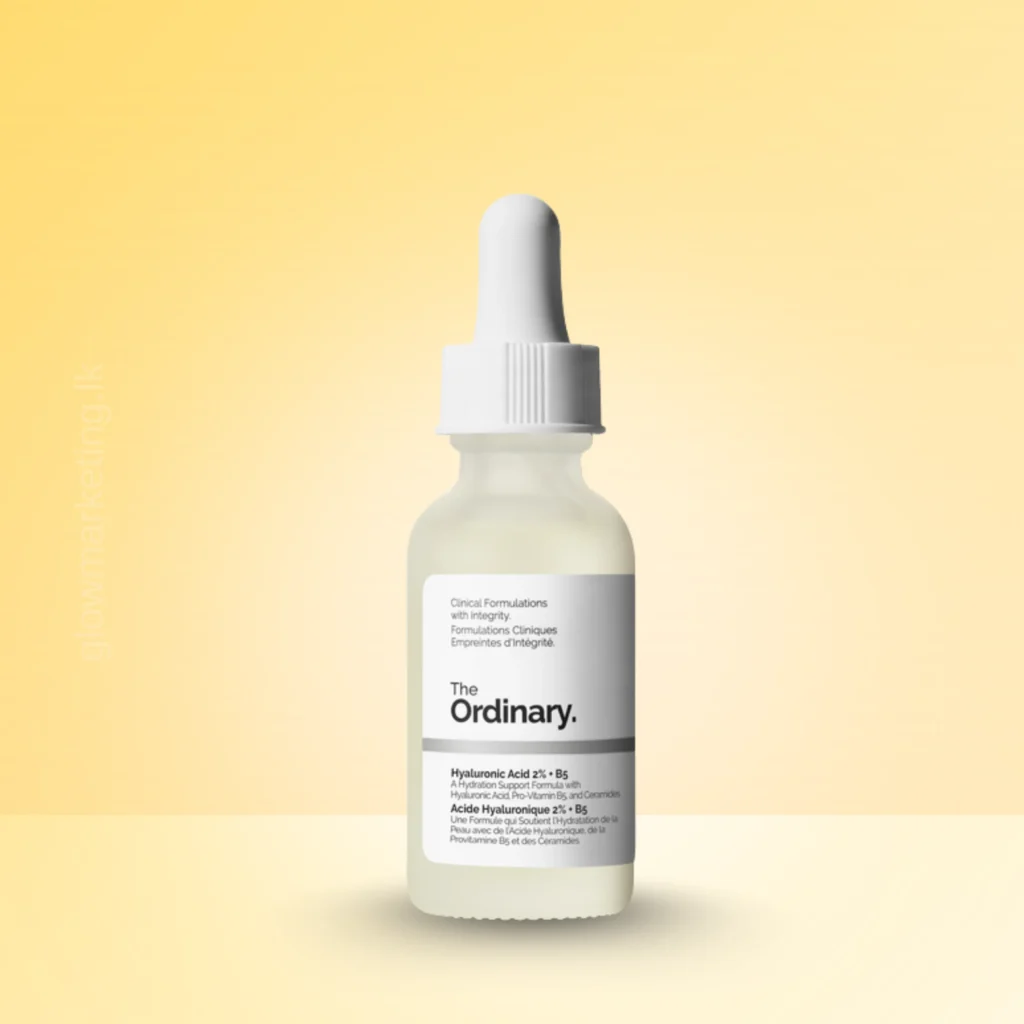
For shoppers looking for HA products, Glow Marketing’s range includes options such as The Ordinary Hyaluronic Acid 2% + B5
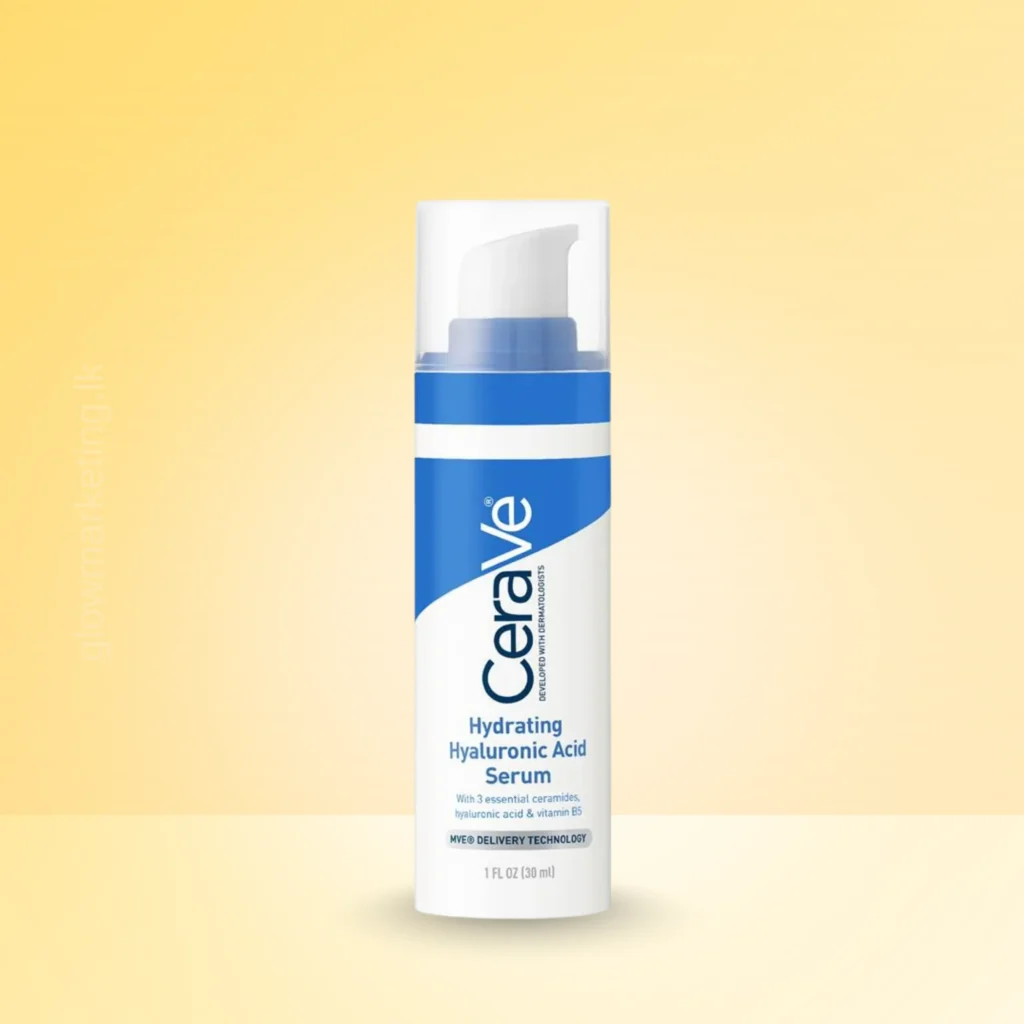
CeraVe Hydrating Hyaluronic Acid Serum
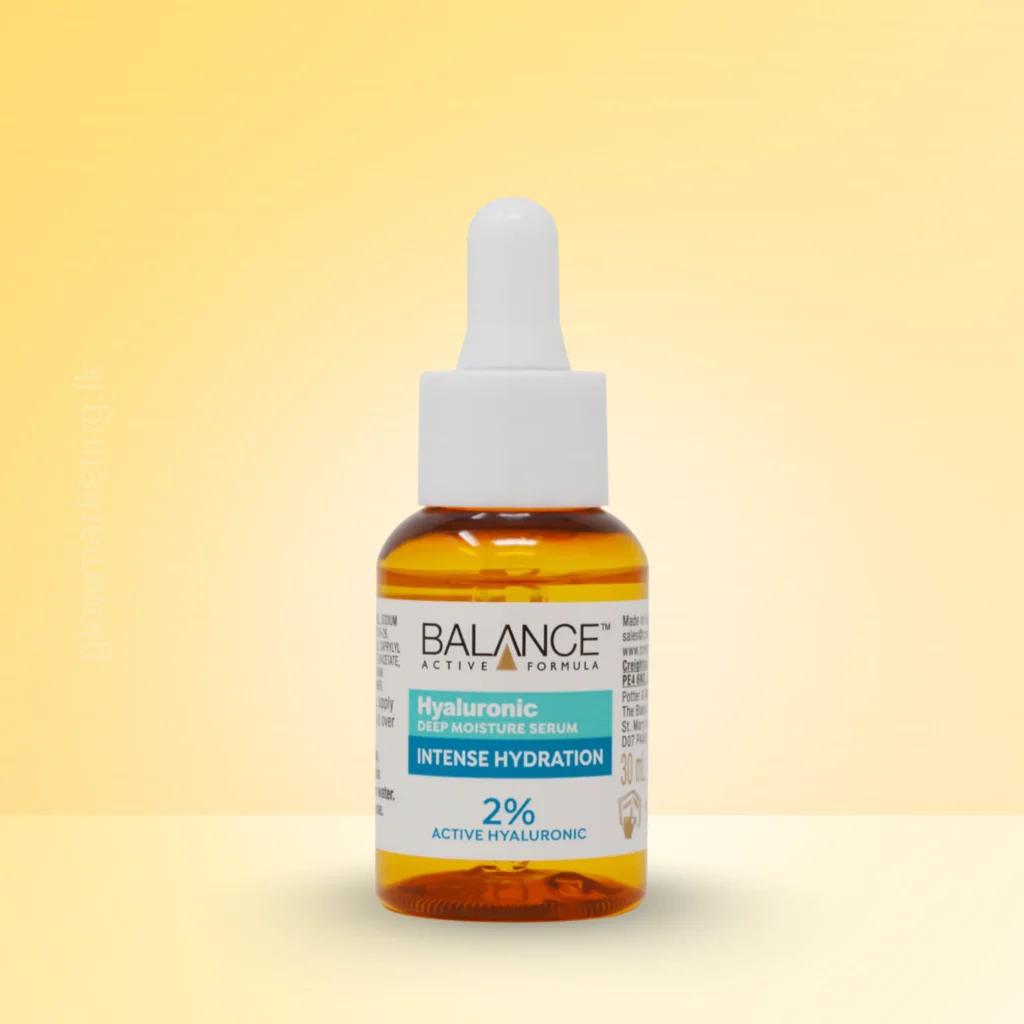
Balance Active Formula Hyaluronic Deep Moisture Serum
What Do Ceramides Do?
Ceramides are naturally occurring lipids found in the skin barrier. Think of them as part of the “mortar” that helps keep the skin’s protective outer layer functioning properly.
Ceramide containing moisturizers have been shown to support hydration and improve barrier function, particularly in dry or barrier compromised skin.
Ceramides may be especially useful when your skin feels:
- Very dry or flaky
- Easily irritated
- Tight despite moisturizing
- Compromised from over-exfoliation or harsh skincare
Glow Marketing’s product range includes;
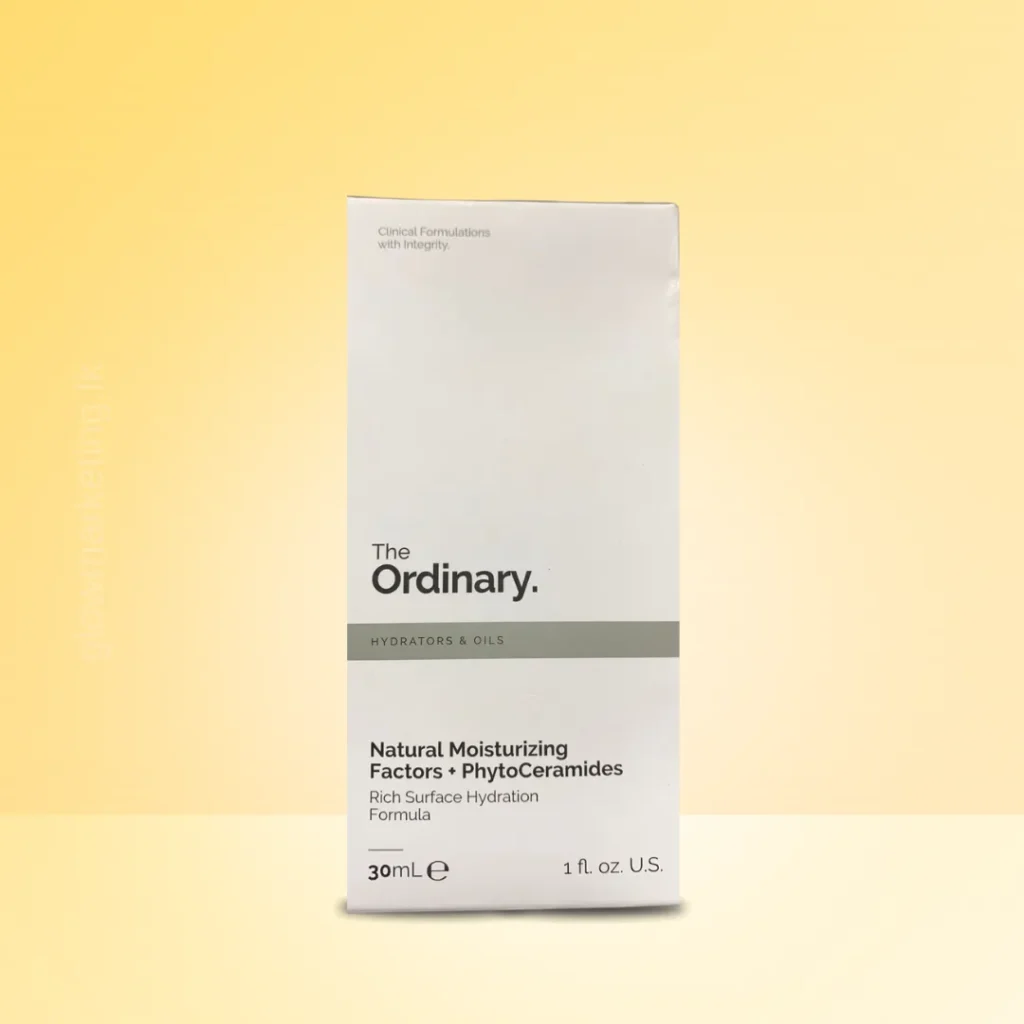
The Ordinary Natural Moisturizing Factors + PhytoCeramides
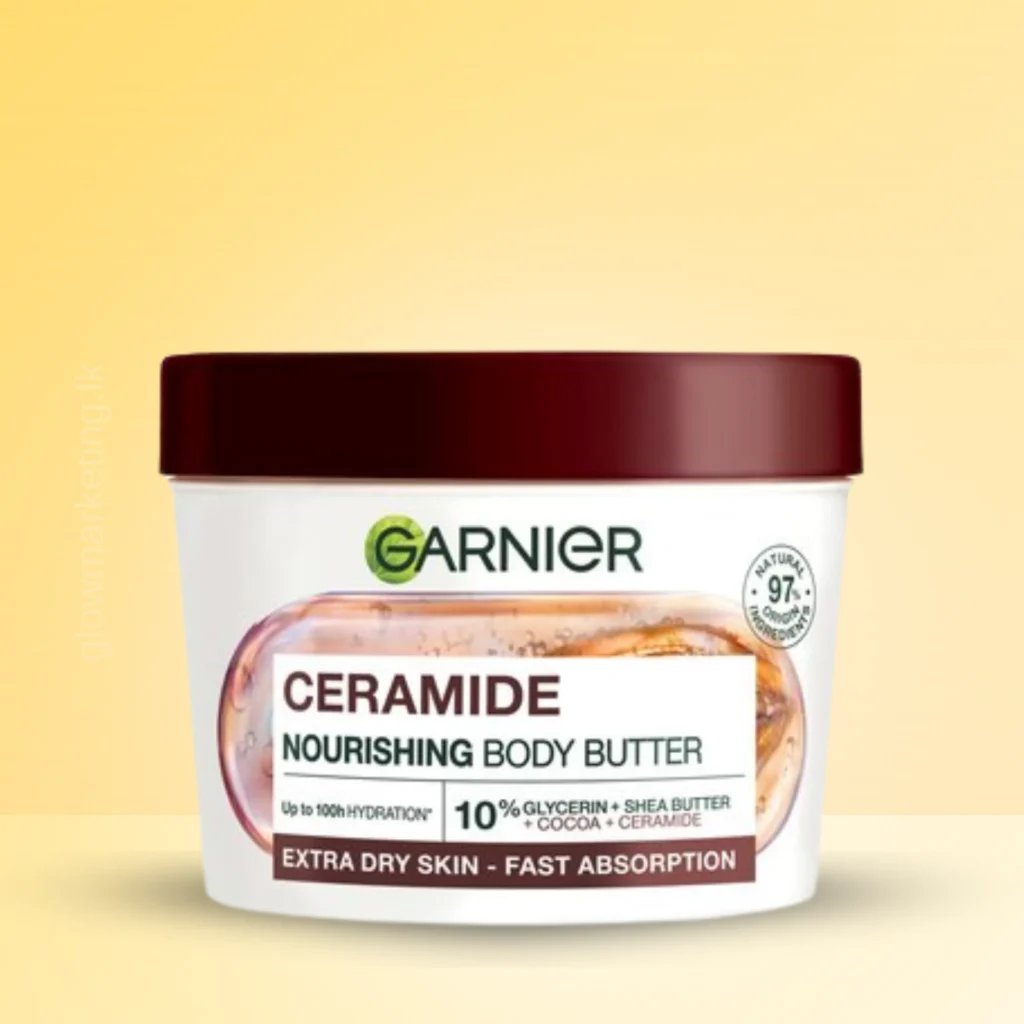
Garnier Body Superfood Cocoa & Ceramide Body Cream
Ceramides vs Hyaluronic Acid: Which Should You Choose?
| Your Main Concern | Consider |
|---|---|
| Dehydrated, tight-feeling skin | Hyaluronic Acid |
| Dry or flaky skin | Ceramides |
| Weak or stressed skin barrier | Ceramides |
| Want a plumper hydrated appearance | Hyaluronic Acid |
| Need both hydration and barrier support | Both |
The good news is that you don’t necessarily have to choose.
A simple routine can combine a hyaluronic acid serum for hydration followed by a ceramide-containing moisturizer to support the barrier. Applying moisturizer while skin is slightly damp can also help reduce dryness.
Ceramides and hyaluronic acid aren’t really competitors. Hyaluronic acid focuses on hydration, while ceramides help support the barrier that keeps moisture from escaping.
If you’re unsure which ingredient your skin needs, start with your main concern rather than simply following a trend. And if your skin needs both hydration and barrier support, using both ingredients can make more sense than choosing just one.
Explore glowmarketing.lk collection of authentic international skincare products to find an ingredient and formula suited to your routine.
FAQ
Is hyaluronic acid better than ceramides?
No. They perform different functions. Hyaluronic acid focuses mainly on hydration, while ceramides support the skin barrier.
Can I use ceramides and hyaluronic acid together?
Yes. They are complementary ingredients and can be incorporated into the same skincare routine.
Which is better for dry skin?
Ceramides can be particularly useful when dryness is linked to a weakened skin barrier, while hyaluronic acid can help with dehydration. Many dry-skin routines benefit from both.
Can oily skin use hyaluronic acid?
Yes. Hyaluronic acid can provide hydration without necessarily adding heavy oils, making lightweight HA formulas useful for many skin types.
How should I use hyaluronic acid and ceramides?
A common approach is to apply a hydrating HA serum and follow with a moisturizer containing ceramides. Always introduce new products gradually and consider your individual skin needs.
Leave a Reply